The Benefits Of Regular Tyre Rotations And Alignments
Regular tyre rotations and wheel alignments are two of the most overlooked services in routine car care, yet they directly affect how long your tyres last, how safely your car handles and how much you spend at the pump. For drivers searching for a reliable mechanic Central Coast locals trust, understanding why these two services matter is the first step to avoiding expensive repairs down the track.
Why Tyre Rotations and Wheel Alignments Matter
Every tyre on your car wears differently depending on its position, your driving habits and your vehicle's weight distribution. Front tyres typically wear faster because they handle steering, braking and most of the engine's weight in front-wheel-drive cars. Left unmanaged, this uneven wear shortens tyre life and can compromise grip in wet or high-speed conditions.
A wheel alignment adjusts the angles of your wheels so they meet the road exactly as the manufacturer intended. Combined with regular rotations, these services work together to keep your car predictable and stable. Skipping either one doesn't just cost you tyres, it can quietly affect your steering response and braking distance.
How Tyre Rotations Prevent Uneven Wear and Extend Tyre Life
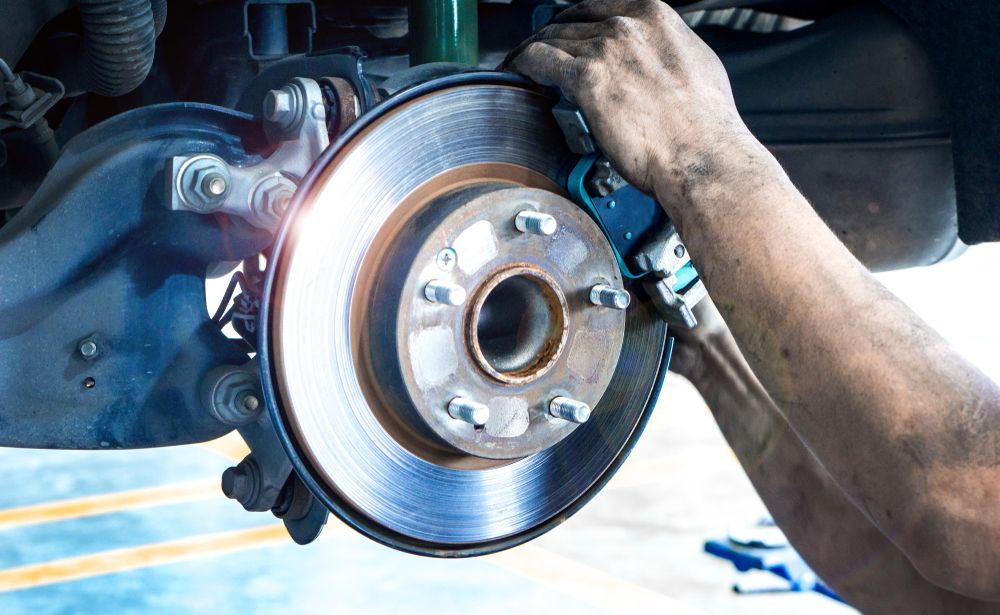
A tyre rotation involves moving each tyre to a different position on the vehicle, usually front to back or in a cross pattern depending on your car's drivetrain. This spreads wear evenly across all four tyres instead of concentrating it on the two that do the most work.
For example, a driver who commutes daily on the Central Coast's mix of highway and suburban roads might notice their front tyres wearing down noticeably faster than the rear. A rotation every 5,000 to 10,000 kilometres, or as recommended in your vehicle's logbook, helps balance that wear pattern out before it becomes irreversible.
The payoff is straightforward. Tyres that wear evenly last longer, perform more consistently in all conditions and need replacing less often. That's a direct saving on one of the more expensive parts of vehicle ownership.
The Role of Wheel Alignments in Handling and Safety
Wheel alignment refers to adjusting the camber, caster and toe angles of your wheels so they sit correctly in relation to each other and the road surface. When these angles drift out of spec, often from hitting a pothole, kerb or simply general wear over time, your car can pull to one side, vibrate at speed or feel less responsive through corners.
Misalignment doesn't just affect comfort. It changes how your car responds when you brake suddenly or need to swerve to avoid a hazard, which matters most in the moments you can least afford unpredictable handling. Uneven tyre wear can also be a sign of underlying issues, which is why our suspension Central Coast specialists check alignment as part of every service.
Getting your alignment checked isn't just about smoother driving. It's a safety measure that protects everyone in the car.
How Routine Maintenance Improves Fuel Efficiency
Misaligned wheels and unevenly worn tyres create extra rolling resistance, which means your engine works harder to maintain the same speed. Over months of driving, that added resistance shows up as higher fuel consumption, even if nothing else about your driving has changed.
Rotations and alignments help your tyres roll as freely and evenly as they're designed to, reducing unnecessary drag. According to industry best practice, keeping tyres properly maintained is one of the simplest ways to protect fuel economy without changing how or where you drive. Tyre rotations and alignments are just as important as staying on top of your logbook servicing, helping you catch small issues before they become costly repairs.
Signs Your Vehicle Needs a Rotation or Alignment
Most alignment and wear issues give warning signs well before they become serious. Watch for:
- Your car pulling noticeably to one side when driving straight on a flat road
- A steering wheel that sits off-centre when your wheels are straight
- Uneven or patchy wear across your tyre tread
- Vibration through the steering wheel, especially at highway speed
- Squealing or unusual tyre noise on smooth roads
If you notice any of these, it's worth booking a check sooner rather than later. Left unaddressed, these issues tend to compound. An alignment problem that goes unchecked will accelerate tyre wear, and worn tyres can mask a deeper suspension issue.
The Long-Term Cost Savings of Staying on Top of Maintenance
Tyres are one of the more significant ongoing costs of car ownership, and replacing a full set earlier than necessary adds up quickly. Regular rotations and alignments extend the life of your tyres, which means fewer replacements over the life of your vehicle.
There's also the cost of what you don't see. A car that's out of alignment puts extra strain on suspension components, bearings and steering parts. Catching alignment issues early through routine checks is far cheaper than repairing the flow-on damage after months of unnoticed wear. As trusted mechanics Central Coast drivers rely on, we recommend rotations every 10,000km to maximise tyre life.
Trust the Experts at Bob Kolln Automotive
Tyre rotations and wheel alignments are simple services with an outsized impact on your car's safety, performance and running costs. They're quick to check, inexpensive relative to the problems they prevent and easy to build into your regular service schedule. Whether you already have a trusted workshop or you're searching for a mechanic near me for the first time, these are two checks worth prioritising.
If you're due for a check-up, our trusted tyres Central Coast team can inspect your rotation and wear patterns, assess your alignment and let you know exactly where your vehicle stands. Book in with Bob Kolln Automotive and keep your car running the way it should.
Frequently Asked Questions
How often should I get a tyre rotation?
Most manufacturers recommend a tyre rotation every 5,000 to 10,000 kilometres, though your vehicle's logbook may specify a different interval. Your mechanic can confirm the right schedule based on your specific make and model.
What's the difference between a wheel alignment and a wheel balance?
A wheel alignment adjusts the angles of your wheels so they meet the road correctly, while a wheel balance corrects uneven weight distribution around the tyre and wheel assembly. Both affect handling, but they address different issues and are often checked together.
Can I drive with a misaligned wheel?
Yes, but it's not recommended for long. Driving on misaligned wheels accelerates tyre wear, reduces handling precision and can place extra strain on suspension components over time.
How do I know if my car needs an alignment?
Common signs include the car pulling to one side, an off-centre steering wheel, uneven tyre wear or vibration at speed. If you notice any of these, it's worth having your alignment checked promptly.
Does a wheel alignment really improve fuel economy?
Yes. Reducing rolling resistance from misaligned or unevenly worn tyres means your engine doesn't have to work as hard, which can have a measurable effect on fuel consumption over time.
How much does a tyre rotation or alignment typically cost?
Costs vary depending on your vehicle and the extent of adjustment needed. Ask your mechanic for a quote specific to your car so you know exactly what to expect before booking in.